BR1 man and van tips for moving from The Glades
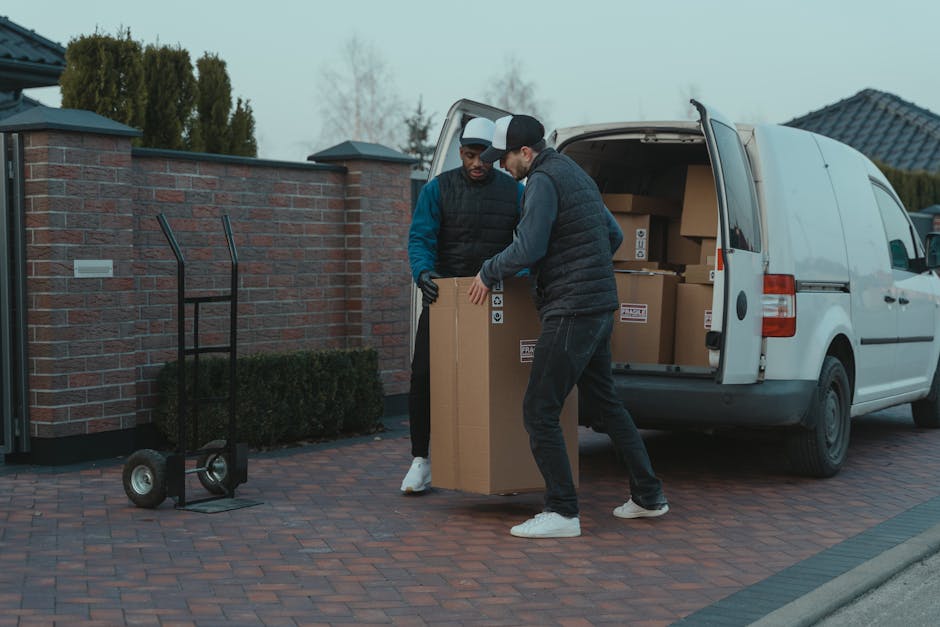
If you are planning a move from The Glades in BR1, the last thing you want is a moving day that feels like a scramble from start to finish. The good news is that a well-planned man and van move can make the whole process calmer, quicker, and a lot less stressful than people expect. Whether you are moving a flat, a small house load, student items, office gear, or just a mix of awkward bits and pieces, the trick is knowing how to prepare properly for the local realities around The Glades and the wider Bromley area.
In this guide, we will walk through the practical BR1 man and van tips for moving from The Glades that actually matter: access, parking, packing, timing, loading order, and when a van-based move is the smart choice. We will also cover common mistakes, a simple checklist, and what to look for if you want extra peace of mind through services like man and van support, packing and boxes help, or even short-term storage if your move dates do not line up neatly. Let's get into it.
Why BR1 man and van tips for moving from The Glades Matters
Moving from The Glades is not quite the same as moving from a quiet residential street with easy kerbside parking. In a busy retail and transport area, small details can suddenly become big ones. Think about loading bays, short-stay parking, lift access, pedestrian flow, and the simple fact that other people are trying to go about their day too. Miss one of those details and you end up with avoidable delays, heavier carrying, or a van parked in the wrong place at exactly the wrong time.
That is why local-moving knowledge matters. A good BR1 move plan should reflect how the area actually works on the ground, not just how it looks on a map. If you are moving out of a flat above shops, a serviced apartment, a mixed-use block, or a place where access is a little tight, you want to think ahead about where the van can stop, how long it can stay, and whether your belongings need to be carried through shared entrances, lifts, or stairwells.
There is also a practical money angle. The smoother the load-out, the less time your move takes. And the less time it takes, the less likely you are to pay for avoidable waiting. Simple, really. A bit of forethought can save a lot of faff.
Expert summary: The best moving day outcome is usually not about having the biggest van. It is about having the right van, the right access plan, and the right packing order for the property you are leaving.
How BR1 man and van tips for moving from The Glades Works
A man and van service is usually best understood as a flexible removal option for smaller or medium-sized moves. Typically, one or two movers arrive with a suitable van, load your items carefully, transport them, and unload them at the destination. It is a straightforward format, but the quality of the move depends on preparation.
From The Glades, the process often starts before the moving team even arrives. You should have already checked what can be carried out easily, what needs dismantling, and whether any bulky items will need protection or extra hands. If you are relocating from a flat, it also helps to think about whether you need flat removal support or a more general removal service rather than a very basic point-to-point lift.
In practical terms, a smooth man and van move from The Glades usually follows this pattern:
- Confirm the collection point, access route, and parking arrangement.
- Sort, label, and pack all belongings before the van arrives.
- Load the most important or heaviest items first, with careful sequencing.
- Secure everything inside the van so it does not shift in transit.
- Unload in the right order at the destination, not just wherever there is space.
It sounds simple because it is simple, but that is also the point. Most moving-day problems come from the bits people assume will sort themselves out.
Key Benefits and Practical Advantages
The biggest appeal of a man and van service is flexibility. You do not always need a large removal lorry for a one-bedroom flat, a student move, a partial household transfer, or a furniture run. A van-based service can be the more sensible fit, especially when you are not moving an entire houseful of items.
Here are the practical advantages people usually notice first:
- Better for smaller loads: Ideal when you do not need a full-scale removals setup.
- Faster to arrange: Often easier to book than larger multi-crew moves, especially if timing is tight.
- More flexible access: A van can sometimes handle local access better than a bigger truck.
- Less wasteful: You are not paying for vehicle space you will never use.
- Useful for mixed jobs: Handy for pickups, drop-offs, storage transfers, or partial household moves.
There is another benefit that gets overlooked: peace of mind. If you are moving from a busy location like The Glades, you may simply want a calm, efficient process. Not everybody wants a military-style removal day. Sometimes you just want the right person, the right vehicle, and enough structure to stop everything feeling chaotic.
If your move involves large furniture, consider whether you need furniture removals rather than treating it like a casual lift. For heavier or more valuable items, it is worth being a bit cautious. That extra care pays off.
Who This Is For and When It Makes Sense
This kind of move is a strong fit for people who want a practical, cost-conscious way to move without booking a full removal lorry. In our experience, it is especially useful for:
- people moving from a studio or one-bedroom flat
- tenants leaving a property with limited access time
- students moving term-time belongings
- flat sharers splitting a smaller load
- people relocating a few rooms' worth of items
- small businesses moving equipment or archive boxes
- anyone combining a move with storage or furniture pick-up
It also makes sense when the job is time-sensitive. If keys, handover times, or building access windows are tight, a smaller, more nimble move can be easier to manage. That said, if you have a big family home, lots of fragile items, or specialist objects, you may want to look beyond a basic van job and compare it with house removals or home move support.
Truth be told, a lot depends on volume and access. Two people moving a surprisingly heavy sofa through a narrow stairwell can be a very different story from loading twenty labelled boxes from a ground-floor flat. Same service label, very different job.
Step-by-Step Guidance
If you want the move to go well, do not leave the planning to the morning of the job. Here is a sensible step-by-step approach that works well for BR1 moves from The Glades.
1. Walk the route before moving day
Check how you will get items from the property to the van. Are there stairs? A lift? A side entrance? A concierge desk? A little five-minute walk-through can reveal a lot. If the route includes tight corners or shared access, that changes how you pack and what gets loaded first.
2. Measure the awkward stuff
Big items are the ones that cause stress. Measure sofas, beds, wardrobes, mirrors, and appliances. If something barely fits through the door, it deserves extra attention. Sometimes dismantling one item saves half an hour of awkward manoeuvring. And a bit of swearing, if we are honest.
3. Declutter before packing
Only move what you actually need. This is where a lot of people get caught out. They spend time and money moving things they meant to throw away months ago. If you have items to let go of, separate them early. For items that still have life in them but are not going to the new home, you may want to arrange furniture pick up or plan a disposal route in advance.
4. Pack by room and by priority
Label boxes clearly. Not just "kitchen" or "misc". Be more specific. "Kitchen - mugs and kettle" or "Bedroom - bedding for first night" is much more useful. Keep essentials easy to reach. Nobody wants to search through six boxes for the phone charger at 9:30 pm.
5. Protect fragile items properly
Use strong boxes, padding, and sensible wrapping. If you have glassware, lamps, or screens, do not just throw them in with soft toys and hope for the best. It sounds obvious, but people do it all the time. A good packing and boxes setup can reduce breakages dramatically.
6. Load in a logical order
Heavy, sturdy items usually go in first. Softer or lighter items can be used to fill gaps, but not in a way that crushes fragile things. A well-loaded van should feel stable and compact, not like a last-minute game of moving-day Tetris.
7. Keep documents and valuables with you
Passports, ID, medication, jewellery, bank cards, laptops, and lease papers are better kept on your person. If the van is delayed in traffic or the route takes longer than expected, you will still have the things you need.
8. Check off the property before leaving
Do one final walk-through. Cupboards, windows, under beds, behind doors, loft spaces, meter cupboards. People forget things in the strangest places. I once heard of someone leaving their entire cutlery tray behind. Painful.
Expert Tips for Better Results
There are a few little things that separate a smooth move from a frustrating one. None of them are dramatic, but they add up fast.
- Book a realistic time slot. If you think packing will take two hours, allow three. That buffer is gold.
- Use colour-coded labels. One colour for kitchen, one for bedroom, one for fragile. It speeds everything up.
- Keep an "open first" box. Put tea bags, toilet roll, chargers, scissors, tape, and basic snacks in one box.
- Avoid overfilled boxes. A box that looks neat but weighs a ton becomes a back problem waiting to happen.
- Take photos of cable setups. Useful for TVs, desks, and routers. You think you will remember, then you will not.
- Use blankets or wraps for furniture. Especially if your items are going into storage or through tight hallways.
If you are moving a piano, treadmill, or another specialist item, do not improvise. Look at piano removals or ask whether the mover is equipped for that kind of load. Specialist items are where "we'll manage" can turn into an expensive lesson.
One more thing: ask about timing around traffic and access. A van that arrives twenty minutes late at a quiet time is one thing. The same delay during a busy window near The Glades can snowball. Not ideal.
Common Mistakes to Avoid
Most moving mistakes are completely avoidable, which is both reassuring and mildly annoying. Here are the ones that show up again and again:
- Not checking parking or loading access. This is one of the easiest ways to lose time.
- Underestimating how much you own. The "it will fit" mindset is optimistic, but not always realistic.
- Packing too late. Last-minute packing tends to create damage, lost items, and stress.
- Using weak boxes. Old supermarket boxes can be fine for some items, but not for heavy loads.
- Leaving fragile items unlabelled. A mover cannot protect what they do not know is fragile.
- Forgetting building rules. Some blocks have access requirements or time windows. Miss them and the move gets messy.
- Choosing the smallest possible van without checking volume. Saving a little upfront can cost more if you need extra trips.
If you need a broader, more structured moving option, a comparison with removals or even removal truck hire can help you see what is actually appropriate rather than simply what sounds cheaper.
Tools, Resources and Recommendations
You do not need a van full of gadgets to move well. You do, however, need a handful of sensible tools and supplies. These are the basics that genuinely help:
- strong cardboard boxes in a few different sizes
- packing tape and spare tape
- marker pens for labelling
- bubble wrap or paper for fragile items
- blankets or furniture covers
- ratchet straps or load restraints if supplied by the mover
- a trolley or sack truck for heavier items
- bin bags for soft clutter and last-minute sorting
It can also help to think beyond moving day itself. If your new place is not ready, or you are between tenancies, storage can stop the whole thing becoming a panic. Similarly, if you are clearing furniture along the way, furniture removals support can keep the process neat rather than leaving you with random bulky items in the hallway.
For financial planning, you should review pricing and quotes carefully and make sure you understand what is included. A quote that looks low at first glance may not include the access or handling you actually need. That little detail matters more than people expect.
Law, Compliance, Standards, or Best Practice
Moving home or relocating items is not usually complex from a legal point of view, but there are still sensible standards and expectations worth respecting. In the UK, you should always make sure any mover you use handles items safely, secures loads properly, and follows basic transport and workplace safety practice. That includes checking that items are carried without unnecessary risk to people, property, or the vehicle.
From a customer point of view, best practice usually means:
- being honest about the size and weight of what needs moving
- checking what the mover can and cannot safely transport
- agreeing access details in advance
- understanding payment terms before the job starts
- reading the provider's policies where relevant, including insurance and safety and terms and conditions
If you are moving anything expensive, fragile, or difficult to replace, it is sensible to ask how cover and handling are managed. That is not being difficult. It is being careful, which is different. A professional mover should be able to explain how they approach safety in plain English, without making it sound like a mystery novel.
For businesses, office moves can bring extra care needs around equipment, records, and downtime. If that is you, look at commercial moves or office removals rather than assuming a standard household-style move will cover everything cleanly.
Options, Methods, or Comparison Table
Here is a simple comparison to help you decide which approach fits your move from The Glades best.
| Option | Best for | Strengths | Trade-offs |
|---|---|---|---|
| Man and van | Small to medium loads, flats, partial moves | Flexible, usually quick, good for local access | Less suitable for large family homes or heavy specialist loads |
| Full removals service | Larger homes, multi-room moves, bigger inventories | More structured support, better for bigger jobs | Usually more expensive and less minimal |
| Removal truck hire | Moves with substantial volume or bulky furniture | More cargo space, better for full load-outs | Can be unnecessary if you only have a modest amount to move |
| Storage plus staged move | When dates do not line up | Less pressure if completion and move-in are not coordinated | Requires an extra step and extra planning |
For many BR1 customers, the sweet spot is somewhere between a simple van job and a larger removal setup. If you are unsure, compare your inventory honestly. A clear inventory beats an optimistic guess every time.
Case Study or Real-World Example
Here is a realistic example. A couple moving out of a one-bedroom flat near The Glades had a sofa, a bed frame, two wardrobes, twelve boxes, a TV, kitchen items, and a few oddly shaped bits they had accumulated over the years. Nothing outrageous. But the building had a shared entrance, a lift that was not ideal for long items, and a fairly narrow route to the street.
They decided to dismantle the bed and one wardrobe the day before, label all the boxes by room, and keep fragile kitchen items in smaller boxes. They also separated one chair and a side table they no longer wanted, so those could be dealt with separately rather than mixed into the move. On the day, the loading was far smoother than they had expected because the awkward stuff had already been handled. No drama, no chaos, no last-minute "where did we put the screws?" moment. Well, not much of one anyway.
What made the difference was not luck. It was preparation. The mover could work methodically, the van was sized correctly, and the couple arrived at the new place with the essentials already easy to find. A small move, done properly, can feel surprisingly effortless. Not magical. Just organised.
If your own move includes items you do not want to carry over, a sensible mix of home moves planning and selective removals can work well. It is often better to move less than to move everything.
Practical Checklist
Use this checklist in the last few days before moving from The Glades:
- Confirm the moving date, arrival time, and access instructions.
- Check parking or loading arrangements near the property.
- Measure bulky furniture and decide what needs dismantling.
- Pack fragile items securely and label them clearly.
- Prepare an essentials box for the first night.
- Set aside items for storage, disposal, or separate pick-up.
- Keep valuables and important documents with you.
- Protect floors, corners, and furniture where needed.
- Do a final walk-through of every room, cupboard, and storage space.
- Make sure keys, handover details, and destination access are all ready.
Quick takeaway: The calmer your preparation, the faster the move. Simple boxes, good labels, and a realistic access plan go a long way.
One small thing, but it matters: put kettle, mugs, tea, and chargers somewhere obvious. Moving day is exhausting. You will thank yourself later.
Get a free quote today and see how much you can save.
Conclusion
Moving from The Glades in BR1 does not have to be complicated. With the right planning, a man and van move can be efficient, cost-conscious, and far less stressful than a bigger, heavier option. The real wins come from small decisions made early: checking access, packing properly, measuring the awkward items, and choosing the service level that genuinely matches your load.
If you keep the move practical rather than overthinking it, you will usually end up with a better day and fewer surprises. That is the goal, really. A move that feels manageable. A fresh start without the usual panic.
And if it all feels a bit much, that is normal too. Most people feel that way at some point. Take it one room at a time, and it becomes a lot more doable.
Frequently Asked Questions
What is the best way to move from The Glades in BR1 with a man and van?
The best approach is to plan access, pack early, label boxes clearly, and choose a van size that suits your actual load. For larger or heavier homes, you may need a more structured removals service instead.
How far in advance should I book a man and van for a BR1 move?
As soon as you know your moving date is ideal, especially if the date is tied to keys, handover times, or building access. If your move is flexible, you may have more options, but leaving it to the last minute can narrow the choices.
Is a man and van suitable for a flat near The Glades?
Yes, very often. It is especially suitable for studio flats, one-bedroom flats, and partial household moves. If the building has awkward access or larger furniture, flat removals may be a better fit.
How do I know whether I need a van or a full removals team?
Look at volume, item size, and access. If you have just a few rooms' worth of items, a man and van may be enough. If you are moving a full house, lots of furniture, or specialist items, compare it with house removals.
Can a man and van help with furniture only?
Yes. This is a common use case for single-item or few-item moves. It can work well for sofas, beds, tables, or similar pieces, especially when paired with furniture removals support.
What should I pack separately for moving day?
Keep valuables, documents, medication, keys, chargers, and first-night essentials separate. A clearly labelled open-first box is a small thing that makes a big difference.
Do I need storage if my move-out and move-in dates do not match?
If there is a gap between properties, storage can make the move much less stressful. It gives you breathing room instead of forcing everything into one rushed day.
What if I need to move urgently from The Glades?
If timing is tight, ask about same day removals or other fast-turnaround options. Availability can vary, so the earlier you enquire, the better.
How can I reduce the cost of my move?
Declutter before the move, pack in advance, keep access simple, and avoid moving items you do not need. Clear preparation usually cuts down on time, and time is often the main cost driver.
Are man and van services good for students moving from BR1?
Yes, especially for smaller loads, term-time moves, or shared accommodation changes. A student removals approach is often a very sensible match for compact moves.
What if I have a specialist item like a piano?
Do not assume a standard van job is enough. Specialist items need specialist handling, so check whether dedicated options such as piano removals are more appropriate.
How do I make sure my belongings are handled safely?
Use strong boxes, pack properly, label fragile items, and choose a mover who explains how they handle transport and protection. It is also sensible to review insurance and safety information before booking.
What should I do with items I do not want to keep?
Sort them out before moving day rather than sending them to the new place by default. Depending on the items, you may want furniture pick-up, donation, resale, or a separate disposal plan.
Can a man and van service handle office items too?
Sometimes, yes, especially for light commercial loads or smaller office transfers. For larger workplace moves, compare it with office removals or broader commercial moves support.